GGR Issue Briefings / Working Papers
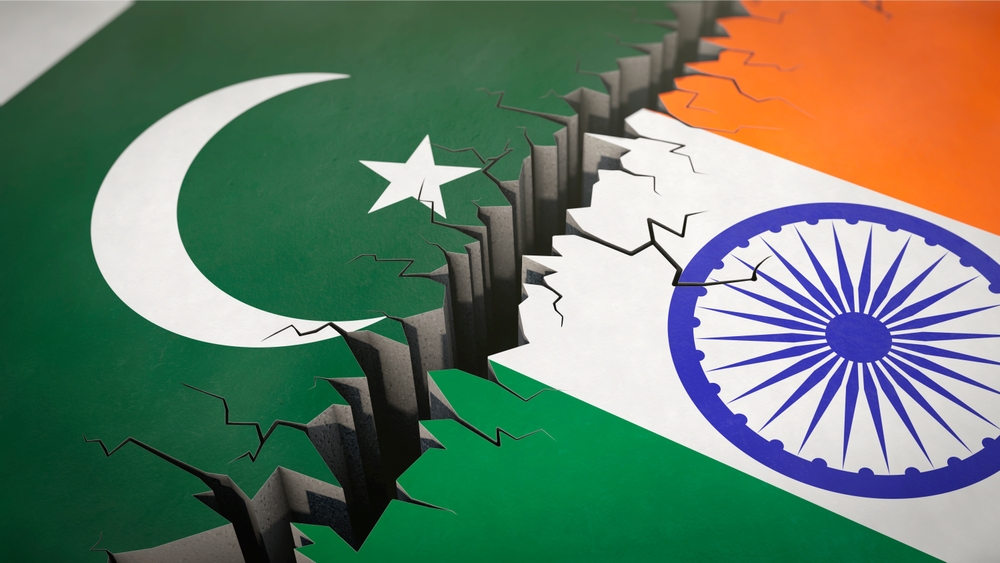
Beyond the Battlefield: The 2025 India-Pakistan War and the Erosion of Indian Hegemony
AbstractThis paper analyzes the 2025 India–Pakistan conflict triggered by the Pahalgam attack, situating it within the broader context of domestic political developments and regional power dynamics in South Asia. India’s revocation of Article 370 in 2019 and the introduction of the controversial Waqf (Amendment) Bill in 2024 intensified Muslim discontent and contributed to growing instability. Against this backdrop, India launched Operation Sindoor, conducting airstrikes inside Pakistan and Pakistan-administered Kashmir, which was met by Pakistan’s retaliatory Operation Bunyan al-Marsous. Alongside military escalation, widespread disinformation and media manipulation in both countries significantly shaped public perception and heightened tensions. The conflict ultimately concluded with a U.S.-mediated ceasefire, underscoring the limits of India’s unilateral regional dominance. The episode raised critical questions about India’s hegemonic aspirations, Pakistan’s deterrence posture, and the fragility of crisis management mechanisms in South Asia. The findings highlight the urgent need for restraint, credible information dissemination, and inclusive regional dialogue to prevent future escalation.

Countermeasures Against Disinformation Targeting Kurds in Japan and the Design of Counter-Narratives
AbstractDisinformation and misinformation targeting the Kurdish community in Japan have sharply increased online in recent years. These dynamics reveal that the challenges Kurds face in Japan are not limited to immigration or legal status issues but also involve deeper forms of ethnic discrimination. This paper analyzes the rapidly shifting information environment surrounding Kurds, focusing particularly on the drastic surge in posts on X (formerly Twitter) following the 2023 incident in Kawaguchi City. Within this surge, exclusionary narratives, especially those invoking crime and threats to public safety, circulated widely, which indicates a deliberate attempt to provoke social anxiety. The paper identifies the key actors disseminating such disinformation and examines the psychological mechanisms that facilitate its acceptance. It argues that two forms of anxiety among the “floating or apathetic electorate,” personal anxiety related to economic and emotional insecurity, and social anxiety associated with perceived threats to public order, create fertile ground for nativistic or xenophobic narratives. Building on this analysis, the paper proposes counter-narratives tailored to these psychological profiles: strategies centered on empathy and humanization for those with personal anxiety, and norm-sharing and risk-presentation approaches for those with social anxiety. For both groups, initiatives grounded in the Contact Hypothesis, which promote positive interactions between Kurds and local residents, are emphasized as effective. Finally, the paper offers policy recommendations in three areas: (1) refining and empirically validating counter-narrative strategies, (2) addressing institutional challenges such as the unstable legal status of Kurds in Japan, and (3) strengthening social support and multicultural coexistence efforts to build a society more resilient to disinformation.

An Analysis of Counter-Narratives to Disinformation in the 2018 Okinawa Gubernatorial Election
AbstractThis article analyzes disinformation disseminated on social media during the 2018 Okinawa gubernatorial election and explores potential counter-narratives against it. Due to its historical and geopolitical context, Okinawa is particularly susceptible to the influence of disinformation. Gubernatorial elections in Okinawa particularly tend to be marked by highly partisan rhetoric. This study focuses on a widely circulated set of posts on X (formerly Twitter) that portrayed candidate Denny Tamaki as an agent of China. These posts distorted factual information, employed violent language, and incited emotional reactions. The disinformation targeted Okinawa voters directly but also appealed to non-partisan individuals and conservative audiences across Japan, potentially amplifying its impact through echo chambers. The article proposes two counter-narratives to counter the disinformation. The first, aimed at moderate swing voters, appeals to emotions by emphasizing how polarization damages interpersonal relationships. The second targets conservatives by framing polarization as a threat to national security. The article argues that disseminating these counter-narratives through Japanese-language editions of international media outlets, rather than domestic media, would be more effective, as domestic outlets are more prone to audience-driven political bias, whereas such dynamics have relatively less influence on foreign media.
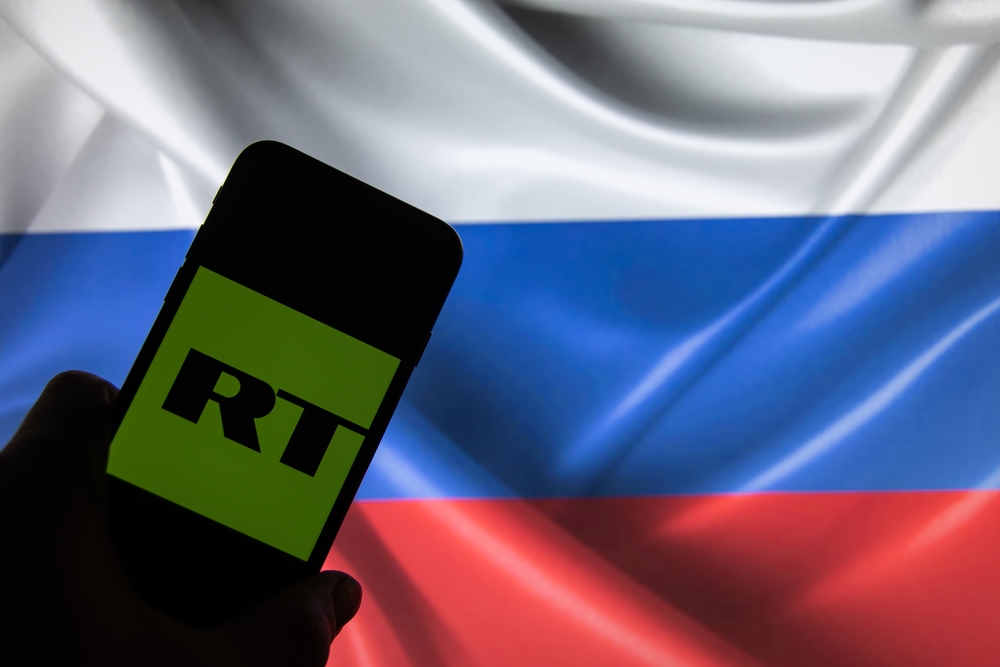
The Silent Arrival of “Russia Today” in Chile: Propaganda and the Challenge to Freedom of Speech
AbstractOn June, 2025, the Russian state media outlet Russia Today began transmissions across Chilean public television. The event came as a surprise—it happened without previous notice and through a deal with a private company which had been awarded broadcasting rights. This caused significant tensions due to the alleged non-transparency of agreement and potential impact of foreign information manipulation and interference (FIMI) campaigns. This article reflects upon the potential consequences of this episode and how it shows that the current security debate on cognitive warfare and hybrid threats reaches as far as stable democracies in the southern part of the Americas.
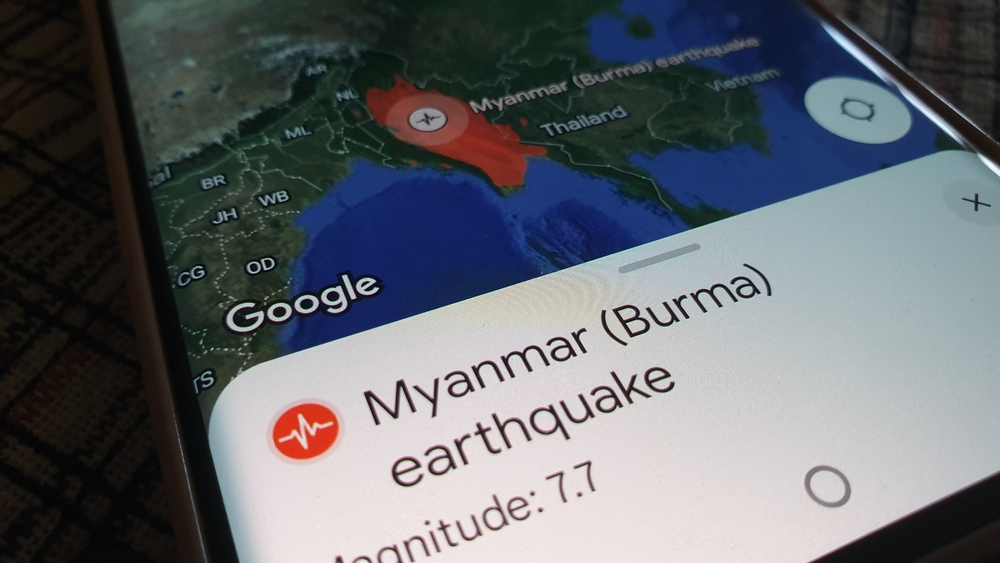
Earthquake in Myanmar and Humanitarian Crisis
AbstractThis briefing reports on the impact of the magnitude 7.7 earthquake that struck Myanmar on March 28, 2025, and the related humanitarian situation. The earthquake caused severe damage amid an ongoing civil war, yet the military junta continues its attacks on civilians despite a ceasefire agreement. Over the past five years, Myanmar has repeatedly faced crises including the COVID-19 pandemic, a coup, civil war, and a devastating cyclone. Nevertheless, the Myanmar military continues to take civilian lives and obstruct humanitarian aid. The international community should strengthen humanitarian support without legitimizing the military regime.

Myanmar’s Rohingya Crisis: The Problem of Unrecognized Identity
AbstractIn response to the military's genocidal assault, about 740,000 Rohingya have fled to Bangladesh since 2017. The Rohingya problem in Myanmar is based in political, ethnic, and religious oppression. Since 1982, the Rohingya people have been systematically denied citizenship, which has made their statelessness worse. The failure of the National League for Democracy (NLD) government to address the persecution of the Rohingya people crushed hopes for progress. Despite challenges posed by the military coup in 2021, the National Unity Government (NUG) has made headway in acknowledging their identity and pursuing international legal assistance.
This work examines the identity crisis that the Rohingya are experiencing and examines how the current turmoil in Myanmar is fueled by denial of their ethnic and political identity. The Rohingya have been further marginalized by the military's exploitation of religious emotion and the development of Buddhist nationalism. Despite these obstacles, the Rohingya have emerged as key players in Myanmar's pro-democracy movement, standing in solidarity with other ethnic groups against military rule. Their shared identity has become better known worldwide, representing resistance. The Rohingya people are still fighting for political legitimacy in Myanmar, but doing so is crucial to advancing social cohesion and human rights.

The Making of International Human Rights Norms: Contestation, Norm Clusters, and Actor Engagement in SOGI
AbstractThis paper analyzes international norms concerning sexual orientation and gender identity (SOGI norms) by using insights from norm research in International Relations (NRIR). With analytical concepts in NRIR such as norm contestation, transnational advocacy networks, and norm clusters, it explores how SOGI norms have faced advancement and hostility. It begins by outlining states’ obligations regarding SOGI norms under international human rights law, from protecting individuals against violence to repealing discriminatory laws. Next, it explains that SOGI norms are frequently contested over their validity by actors connected through transnational conservative networks. Then, it argues that SOGI norms’ embeddedness within international human rights norm clusters has been increased by multiple actors. This deepened embeddedness could enhance the resilience of SOGI norms to the frequent validity contestation. It moves to the analysis of actors’ approaches and activities with a particular focus on activities of the Independent Expert on violence and discrimination based on SOGI (IE SOGI). It concludes that despite significant progress, the strength of SOGI norms remains fragile in the face of political backlash and illiberal actors’ strategies.
Liberal Features of the Liberal International Order: Tools for the Understanding and Typology of Liberal Elements
AbstractInternational order is a central issue in international relations, both as an academic discipline and in reality, and an accurate understanding of its concept and real meaning is extremely important. The paper aims to deepen our understanding of the post–World War II international order, also called the “Liberal International Order" (LIO), which is exceedingly complex to understand in its entirety, by focusing on its liberal elements and characteristics. As the LIO is intersubjective, the author does not interpret it from the idea of liberalism but rather inquires as to the elements and characteristics that have been considered “liberal” in existing discussions. The paper develops our understanding of the LIO by categorizing it according to theoretical liberal elements and characteristics of political, economic, social, and international relations.

Fear of Influence Operations: Role and Challenges for Researchers
AbstractThis briefing discusses how Chinese foreign information manipulation and interference (FIMI) activities are perceived locally by potential target audiences in Okinawa. Such covert influence operations are employed to sway public opinion and affect policy in democratic countries. Enabled by the global reach of social media and digital platforms, these efforts threaten democratic discourse and stability. However, the research discussed here found that the actual impact locally tends to be exaggerated in research and public opinion. To improve our understanding of, and ability to handle FIMI activities it is suggested that research needs to consider four issues. These are 1) the local context the FIMI enters, 2) the level(s) the researcher(s) work on, 3) the origins of narratives used, and 4) the target groups involved. By including these dimensions when examining the impact of influence activities, we can hopefully improve how we handle influence activities in democracies.
Will You All Be Arrested with Me?
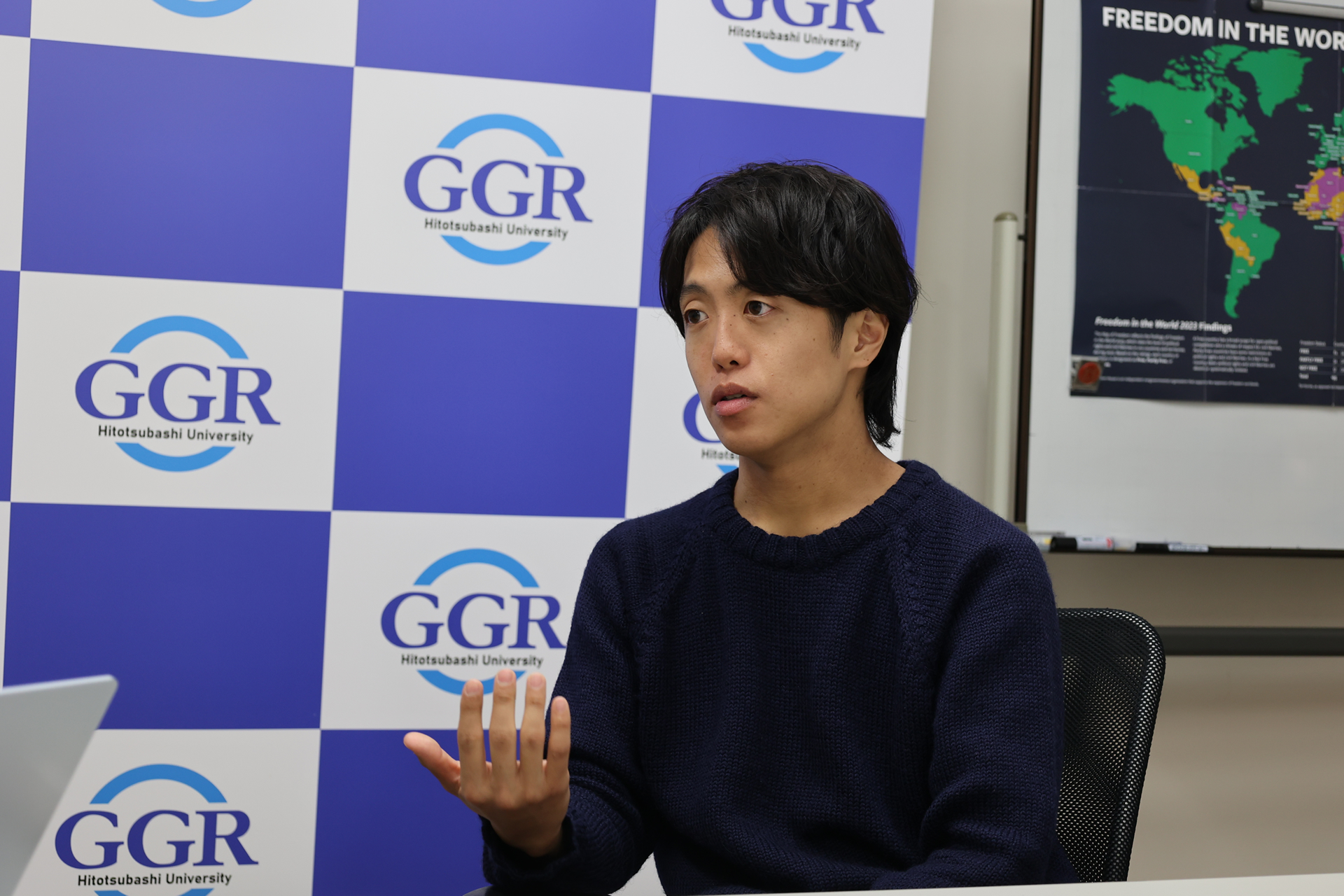
Abstract**This paper was written based on an interview conducted on April 2, 2024.